ARCHIVE FILE #003
Why Physical Media Matters
Physical media gives people direct access to books,
music, movies, television, and video games. It can
provide ownership, preservation, artwork, offline
access, and a personal connection that digital media
does not always offer.
PHYSICAL ACCESS
A Copy You Can Hold
When someone purchases a physical book, CD,
movie, or video game, that copy normally remains
in their possession. It does not depend on a
monthly subscription or an online account.
The owner can often lend, donate, resell, trade,
or display the item. These choices are usually
more limited with digital purchases.
Physical ownership gives consumers more control
over how and when they use the media they buy.
Ownership Includes
-
Keeping the copy without a subscription
-
Lending it to another person
-
Donating or gifting it
-
Selling or trading it
-
Displaying it as part of a collection
Why Copies Matter
A physical copy can survive after an online store
closes, a streaming title is removed, or a
company stops supporting a service.
Libraries, museums, archives, and collectors all
help protect media that might otherwise become
difficult to find.
CULTURAL RECORD
Protecting More Than Entertainment
Books, albums, films, and games can document the
ideas, artwork, technology, and experiences of a
particular time.
Preserving a physical item can also preserve its
packaging, manuals, advertisements, credits, and
bonus materials.
These details can provide historical information
that may not be included with a digital copy.
REDISCOVERED MEDIA
How One CD Gave a Band a Second Life
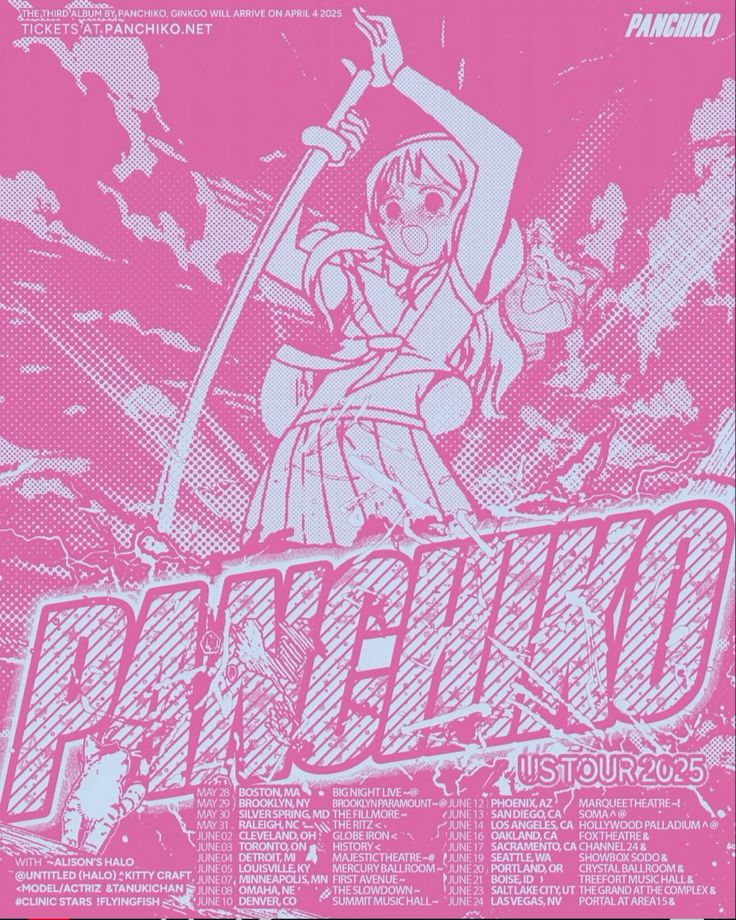
Panchiko was a band formed in England around the
end of the 1990s. The group recorded music and
created a small number of physical CDs, but the
band did not become widely known at the time.
Years later, a listener found a Panchiko CD in a
secondhand shop. There was very little information
about the band online, so listeners began sharing
the music and searching for the people who had
created it.
Fans eventually found the original members. The
rediscovery led to the band reconnecting,
releasing music, and performing for an audience
that had discovered them many years later.
Why This Story Matters
If the physical CD had not survived, Panchiko's
music might have remained unknown. One copy
preserved a piece of music history and allowed a
new generation to discover it.
Read the Panchiko Article
COMPLETE EXPERIENCE
More Than the Media Itself
Physical releases can include cover artwork,
booklets, lyrics, posters, maps, photographs,
manuals, and special packaging.
These materials can help explain the creator's
ideas and make the release feel like a complete
artistic object.
Digital versions may include artwork, but the
physical design often gives collectors a more
hands-on and memorable experience.
Albums
Vinyl and CDs may include lyrics, liner notes,
photographs, and credits.
Movies
DVDs and Blu-rays can include booklets,
reversible covers, and collector cases.
Games
Physical games may include manuals, maps,
art cards, and limited-edition items.
Physical Media Can Travel
A book can be passed to a friend. A DVD can be
donated to a library. A game can be traded. A
record can be displayed and played for guests.
These actions allow media to move between people
without requiring each person to use the same
account or platform.
SHARED EXPERIENCE
Collections Create Connections
Physical media can bring people together through
record stores, book clubs, conventions, libraries,
flea markets, and collector communities.
People often share recommendations by showing
others the items in their collections.
A physical collection can become a record of a
person's interests, memories, and relationships.
Five Reasons Physical Media Still Matters
-
It gives consumers greater control over their copies.
-
It can preserve media after digital access changes.
-
It includes artwork and materials beyond the main
content.
-
It can often be shared, donated, traded, or resold.
-
It creates a personal and historical connection to
media.
Ownership Changes the Experience
Physical media is not valuable only because it is old.
It remains valuable because it gives people control,
preserves cultural history, and creates a lasting
connection to the media they enjoy.